
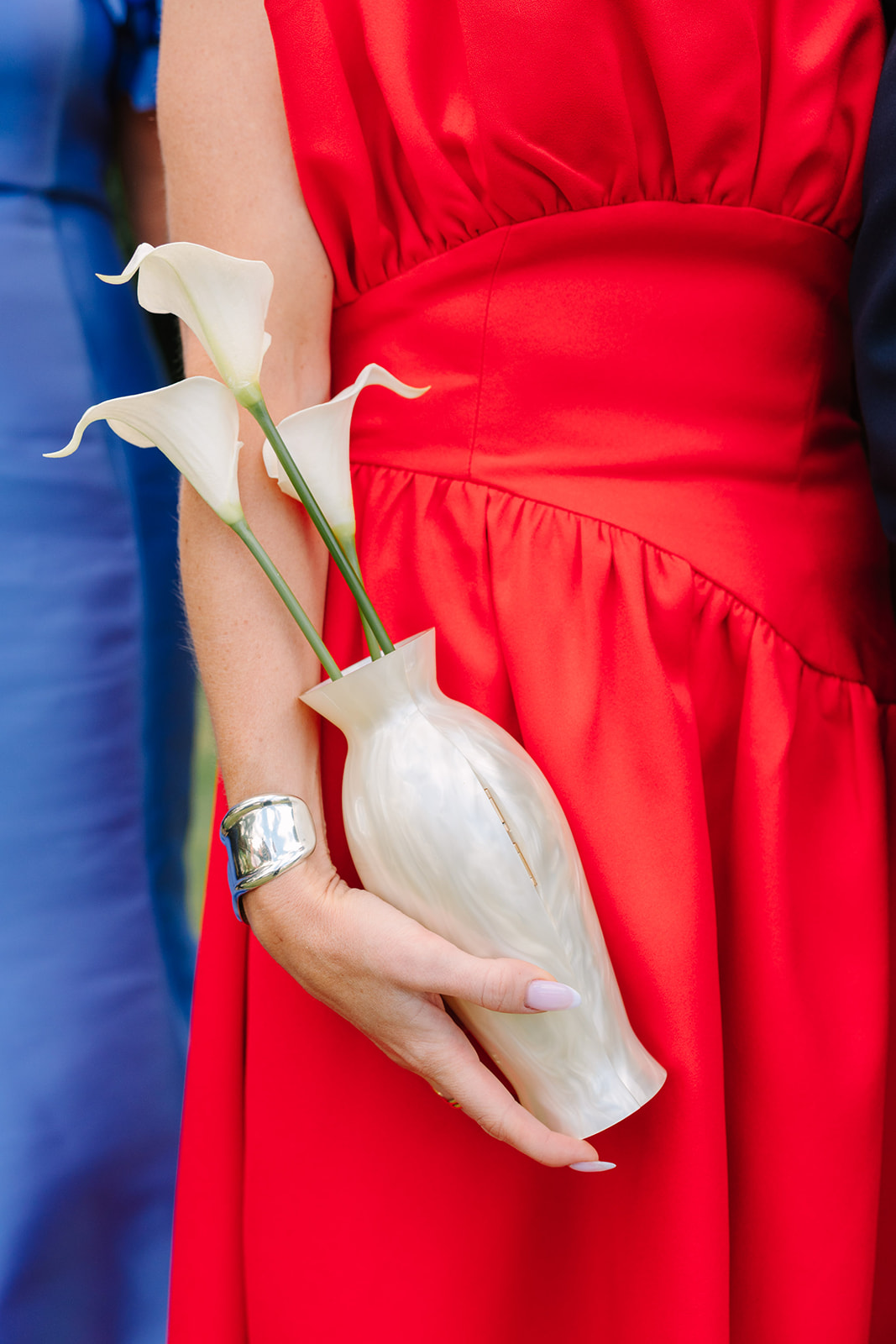
The strongest 2026 wedding trends focus on immersive design, sculptural florals, controlled color, and layered texture. Rather than following a theme, couples are building a complete wedding venue aesthetic that connects the architecture, florals, lighting, stationery, fashion, and tablescape.
A Columbia SC wedding venue should support that vision before major décor is added. Industrial venues can carry bold color, oversized floral installations, dramatic lighting, and editorial styling. Historic homes often suit quiet luxury, tonal palettes, vintage details, tailored linens, and restrained florals. Smaller and outdoor wedding venues can also feel immersive when the design includes one clear focal point and a cohesive material palette.
Before choosing a style, study the venue’s existing colors, light, ceiling height, furniture, and architectural details. The best design choices will enhance the space rather than hide it. When the venue and aesthetic work together, the wedding feels more polished, personal, and visually consistent.
Table of Contents
- What’s Shaping Wedding Design in 2026?
- Start With the Architecture of Your Columbia Wedding Venue
- Sculptural Florals That Transform the Space
- Monochromatic Color Palettes With More Depth
- Texture Is Replacing Predictable Rustic Details
- Quiet Luxury in Historic Columbia Wedding Venues
- Bold Editorial Design for Industrial Columbia Venues
- How 2026 Trends Work in Smaller and Outdoor Venues
- What Your Venue Design Means for the Wedding Photos
- FAQ About 2026 Wedding Trends and Columbia Venues
- Choose a Columbia Wedding Venue That Supports Your Vision
What’s Shaping Wedding Design in 2026?
Wedding design in 2026 feels more intentional, layered, and personal. Couples are moving beyond familiar themes and building complete visual experiences instead. Every detail now works together, from the venue architecture to the final place setting.
That shift gives the Columbia SC wedding venue a larger role in the design process. The space no longer acts as a simple backdrop. It becomes part of the aesthetic itself. A historic home may inspire tailored linens, vintage accents, and restrained florals. An industrial space may support bold color, sculptural installations, and dramatic lighting. The strongest 2026 wedding trends do not hide the venue. They respond to its scale, materials, light, and character.
From themed décor to a complete visual experience
Couples are thinking less about isolated decorative moments. They are focusing more on how the entire celebration feels from start to finish. Florals, lighting, stationery, fashion, furniture, and table design should all support one clear direction.
A successful wedding venue aesthetic also feels consistent from room to room. The ceremony should connect naturally with cocktail hour and the wedding reception. That does not mean every detail must match. Contrast can add interest when each choice still feels intentional.
Modern florals can bring energy to historic architecture. Soft fabrics can add warmth to an industrial room. The goal is cohesion, not perfection.
Texture, shape, and color are doing more of the work
Three elements are shaping wedding design trends in 2026: shape, texture, and controlled color.
Sculptural wedding florals create movement and structure. They can frame an entrance, define a ceremony space, or transform an open room. Monochromatic palettes are also becoming more layered. Couples are using several shades within one color family instead of relying on one flat tone.
Texture adds another level of depth. Velvet, bouclé, pleated fabric, handmade paper, and brushed metal can make a space feel richer. These choices work best when they suit the venue. Bold color can stand out against exposed brick, while quiet luxury can feel natural beside oak trees and wrought iron.
The trend matters less than the relationship between the design and the setting.
Start With the Architecture of Your Columbia Wedding Venue
The venue should support the design before florals, rentals, or lighting enter the room. Architecture sets the visual foundation for every later choice.
A Columbia SC wedding venue may feature exposed brick, formal gardens, wrought iron, large windows, or historic interiors. Each element creates a different design opportunity. Couples should study those details before choosing a trend.
A bold concept can feel natural in the right space. The same idea can feel forced when it fights the room.
Let the venue support the trend
Strong wedding design works with the venue rather than covering it. Industrial spaces often support contrast, scale, and modern color. Historic homes usually favor restraint, tailoring, and softer visual layers.
Ceiling height also matters. Large rooms can hold sculptural florals or statement lighting without feeling crowded. Smaller rooms may need lower arrangements and fewer focal points.
Existing finishes should guide the palette. Red brick can strengthen saturated colors, while pale plaster may support softer tonal schemes. Dark wood, ironwork, and stone can also influence fabric, metal, and floral choices.
The trend should feel connected to the setting. It should never look added as an afterthought.
Notice what the space already gives you
During a venue tour, study more than the main reception room. Look at entrances, windows, ceilings, floors, gardens, and portrait areas.
Natural light affects both design and photography. Large windows can soften bold color and reveal fabric texture. Dark rooms may need layered lighting to keep details visible.
Furniture and included rentals also shape the final look. Existing chairs, tables, and fixtures may support the concept. They may also create visual conflict.
Ask about restrictions before planning major installations. Some venues limit ceiling work, open flames, wall attachments, or furniture movement.
The most effective wedding venue aesthetic begins with what the space already offers. Thoughtful design builds from that foundation.
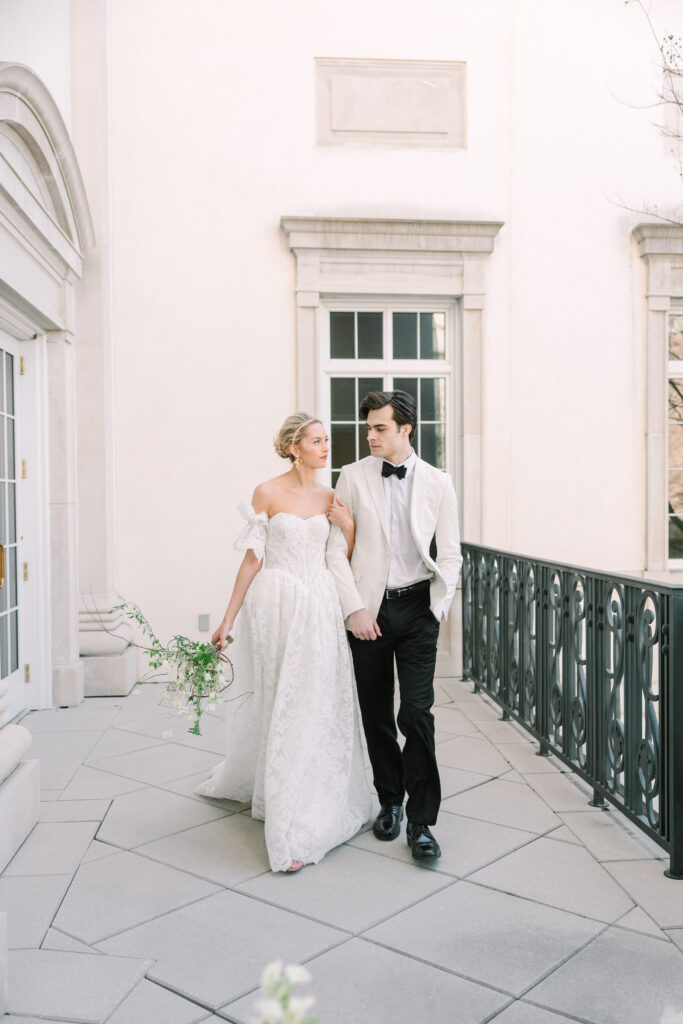
Sculptural Florals That Transform the Space
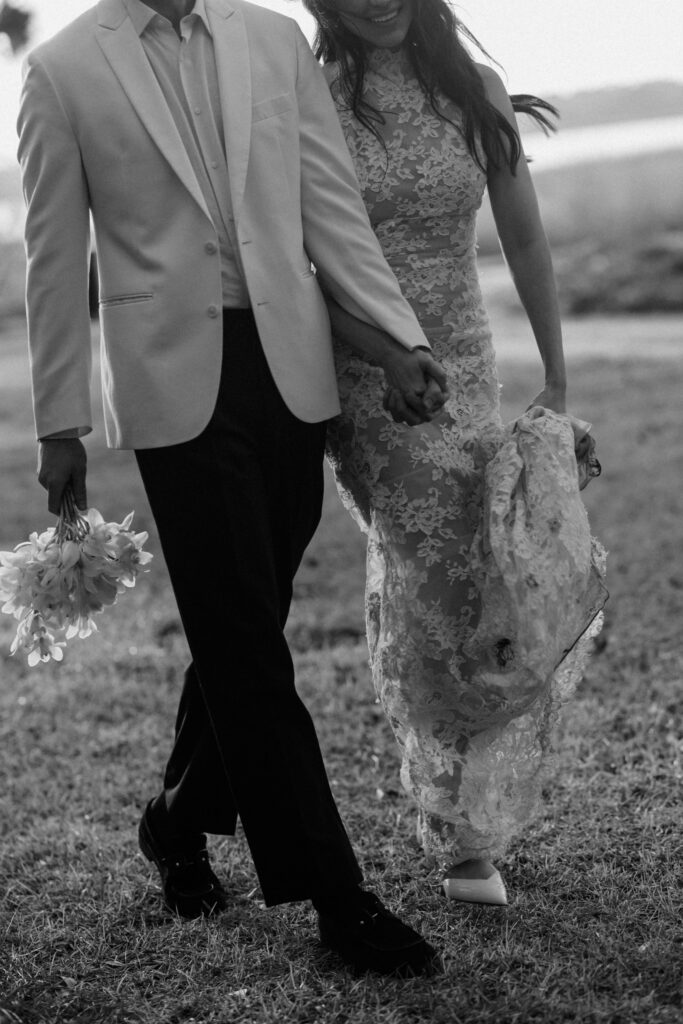
Sculptural wedding florals do more than decorate a room. They create structure, movement, and a clear visual focus.
This trend works especially well in venues with strong architecture. Florals can frame an entrance, define a ceremony, or draw attention upward. They can also guide guests through an open layout.
The strongest installations respond to the room’s scale. They should enhance the venue without overwhelming the people inside it.
Why floral design is becoming more architectural
Couples are moving beyond evenly spaced arrangements and predictable centerpieces. They are choosing florals with stronger shape, height, and movement.
Grounded ceremony designs can create impact without blocking the view. Suspended installations can define a large room and bring attention to the ceiling. Asymmetrical arrangements can also feel modern and natural.
These designs work best when the florist studies the venue first. Doorways, fireplaces, staircases, and windows can become part of the composition.
Architectural wedding flowers should feel connected to the space. Their shape should support the room’s lines and proportions.
How sculptural florals work in industrial spaces
An industrial wedding venue in Columbia can support larger, bolder floral work. High ceilings and open layouts give installations room to breathe.
Saturated flowers can stand out against exposed brick, concrete, and dark metal. Strong shapes also create contrast against raw surfaces.
Large arrangements do not need to fill every corner. One dramatic installation can carry more impact than many smaller pieces.
Negative space remains important. It keeps the design modern and allows the architecture to stay visible.
How sculptural florals work in historic spaces
Historic wedding venues in Columbia often need a lighter approach. Their architecture already provides detail, symmetry, and texture.
Florals can frame a staircase, soften a fireplace, or highlight a garden entrance. Lower arrangements may also preserve sightlines in formal rooms.
Restrained color and natural movement usually work well in these spaces. The goal is to complement the property, not compete with it.
A thoughtful floral plan should reveal the venue’s character. It should make the architecture feel even more intentional.
Monochromatic Color Palettes With More Depth
Monochromatic wedding décor can feel rich, layered, and expressive. The key is using several tones within one color family.
A single shade often looks flat. Multiple shades create movement and depth across the room. Couples can repeat the palette through florals, linens, candles, stationery, and attire.
This approach also helps the wedding feel more cohesive. Each detail supports the same visual direction without appearing overly matched.
Monochromatic does not mean one flat color
A tonal palette works best when it includes light, medium, and deep shades. That range keeps the design from feeling dull.
For example, a blue palette may include powder blue, slate, navy, and soft gray. A green palette may combine sage, olive, moss, and deep forest tones.
Texture can strengthen the effect. Velvet linens, matte paper, glassware, and layered florals can make one color family feel more dynamic.
Metal finishes also add contrast. Brushed brass, silver, or black accents can define the palette without distracting from it.
Bold color against raw brick
A bold wedding color palette can feel especially striking in an industrial Columbia venue. Exposed brick creates warmth, texture, and strong visual contrast.
Saturated tones often work well against those raw surfaces. Plum, emerald, cobalt, rust, and deep red can create a dramatic editorial look.
Couples should still control the palette. Too many strong colors may compete with the room.
One dominant family, supported by a few neutral details, often creates the strongest result. The brick should remain visible and active within the design.
Soft tonal palettes for historic homes and gardens
Historic wedding venues in Columbia often support quieter color stories. Layered ivory, stone, sage, dusty blue, and warm blush can feel natural there.
These shades work well with oak trees, plaster walls, dark wood, and wrought iron. They also support a quiet luxury wedding aesthetic.
Soft palettes still need contrast. Deeper candles, darker stationery, or aged metal can keep the design from feeling washed out.
The strongest palette should feel connected to the venue. It should also reflect the mood the couple wants to create.
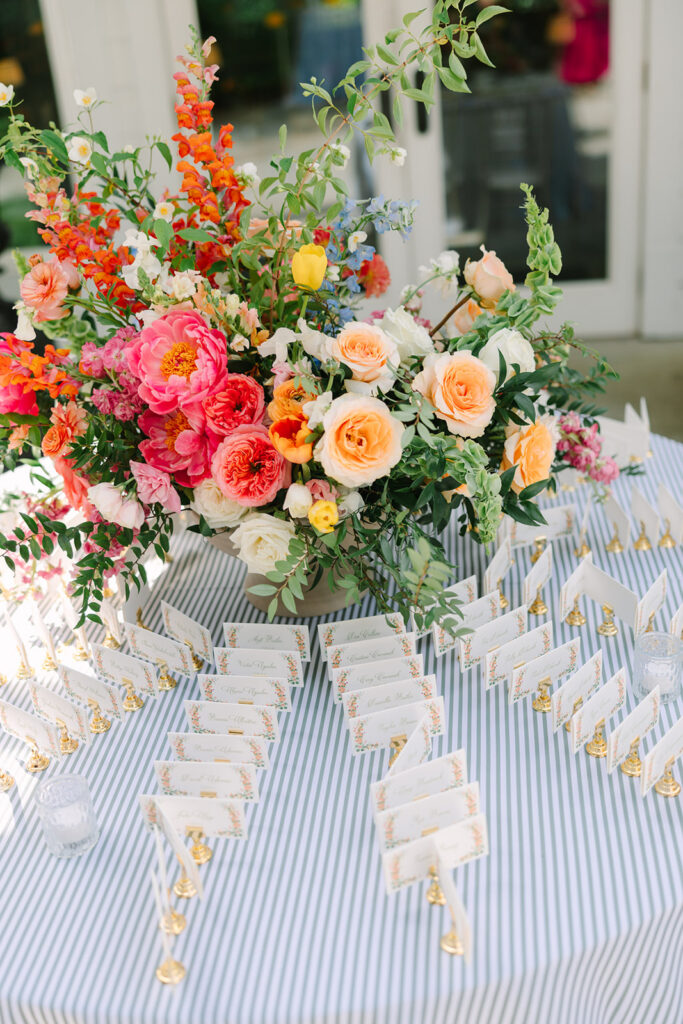
Texture Is Replacing Predictable Rustic Details
Texture adds warmth and depth without relying on familiar rustic décor. Couples can create richness through materials instead of extra objects.
This shift feels especially relevant in 2026 wedding design. Velvet, bouclé, pleated fabric, handmade paper, and brushed metal can create a more refined atmosphere.
Textured wedding décor also photographs beautifully. Light moves across different surfaces and gives small details more dimension.
Layer fabrics instead of adding more objects
Fabric can transform a venue quickly. Velvet tablecloths add depth, while bouclé lounge pieces bring softness and shape.
Pleated linens can create movement across long tables. Woven napkins and textured runners can also add detail without clutter.
Draping can soften hard surfaces in industrial spaces. It can also define entrances, ceremony areas, or lounge zones.
Historic venues often need less fabric. A few thoughtful layers may feel more appropriate than a fully transformed room.
The goal is balance. Texture should make the venue feel richer, not heavier.
Use paper, glass, and metal to build contrast
Texture can appear in smaller design choices too. Handmade paper, embossed menus, and deckled edges can make stationery feel more tactile.
Ribbed glassware adds subtle detail to the table. Ceramic vessels can create softness, while brushed metal adds structure.
These elements work well because they create contrast without adding visual noise. Each material can support the overall wedding venue aesthetic.
Couples should repeat a few textures throughout the event. Consistency helps the design feel intentional.
Match the material to the venue
Industrial spaces often need softness. Velvet, draping, and upholstered furniture can balance brick, concrete, and steel.
Historic spaces usually need restraint. Fine linens, vintage glass, and subtle paper textures may work better than heavy layering.
Outdoor venues also benefit from durable materials. Wind, heat, and moisture can affect fabric, paper, and floral choices.
The right materials should suit the setting and the season. They should also support the guest experience.
Quiet Luxury in Historic Columbia Wedding Venues
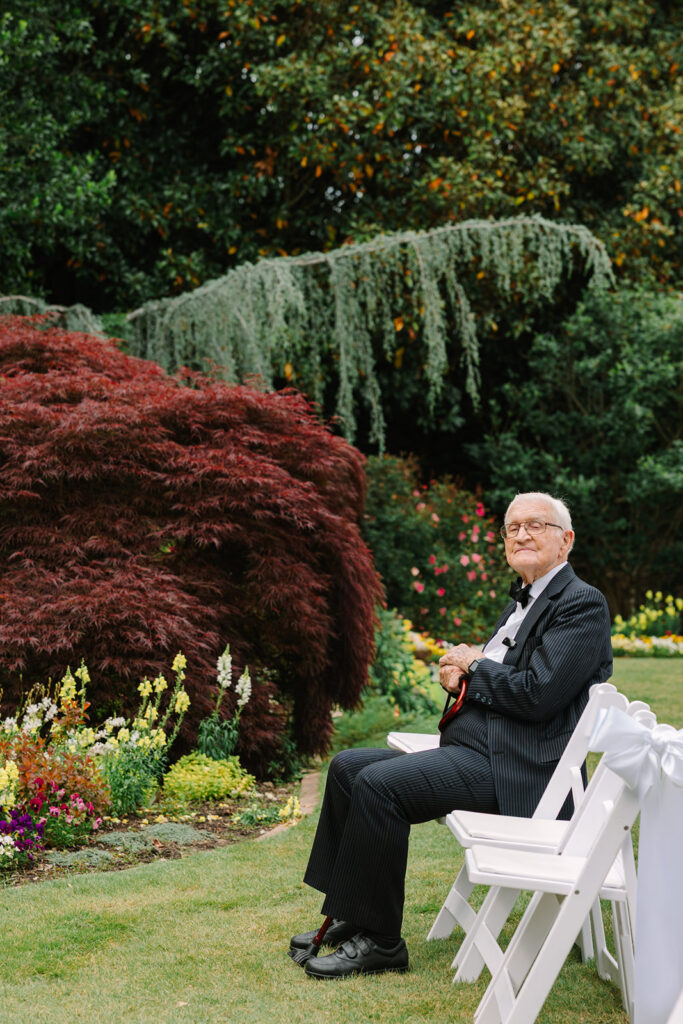
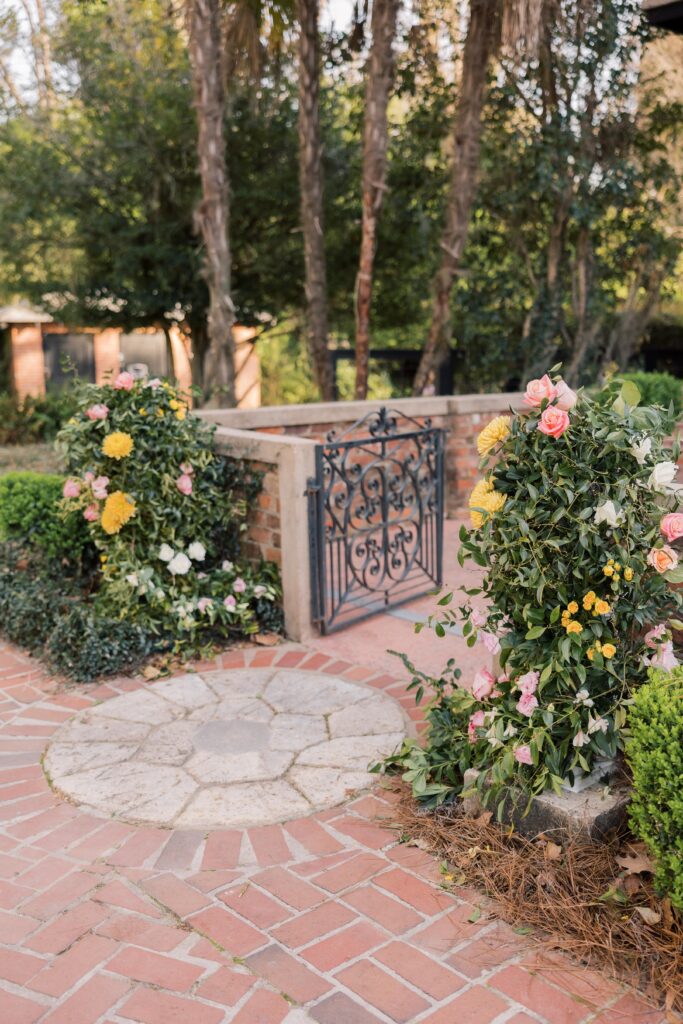
Quiet luxury works especially well in historic Columbia wedding venues because the setting already provides depth. Oak trees, wrought iron, formal rooms, and aged architectural details create a refined foundation.
This aesthetic depends on restraint. Instead of filling the space, couples can focus on quality, proportion, and thoughtful materials. Tailored linens, soft candlelight, and carefully chosen florals often create more impact than excessive décor.
What quiet luxury looks like in a wedding
Quiet luxury does not mean plain or minimal. It means every detail feels deliberate.
The palette may stay soft, but the materials should feel rich. Fine linens, vintage glassware, polished silver, and textured stationery can add depth without demanding attention.
Florals often feel natural and controlled. Loose garden arrangements can work well when they follow the room’s scale.
The strongest quiet luxury wedding aesthetic feels timeless rather than trend-driven. It should reflect confidence, not excess.
Design details that suit a Southern historic home
Historic homes often benefit from tailored, layered details. Neutral linens can soften darker interiors, while vintage pieces can reinforce the setting’s character.
Restrained florals usually work better than oversized installations. Arrangements can frame a mantel, staircase, or garden entrance without hiding the architecture.
Antique-inspired furniture, heirloom stationery, and soft candlelight can strengthen the atmosphere. A few well-chosen details often feel more refined than a crowded room.
Color should support the property. Ivory, stone, tobacco, sage, dusty blue, and warm blush can feel natural against wood, plaster, and ironwork.
Let oak trees and ironwork become part of the design
Outdoor features can carry much of the visual story. Mature oak trees create scale, shade, and natural texture. Wrought iron adds structure and a sense of permanence.
Couples do not need to cover these elements. They can frame them with florals, seating, or lighting.
A ceremony beneath oak trees may need only one strong focal point. A reception near iron gates can benefit from candlelight and restrained floral accents.
The best design allows the property to remain visible. It should feel like the wedding belongs there.
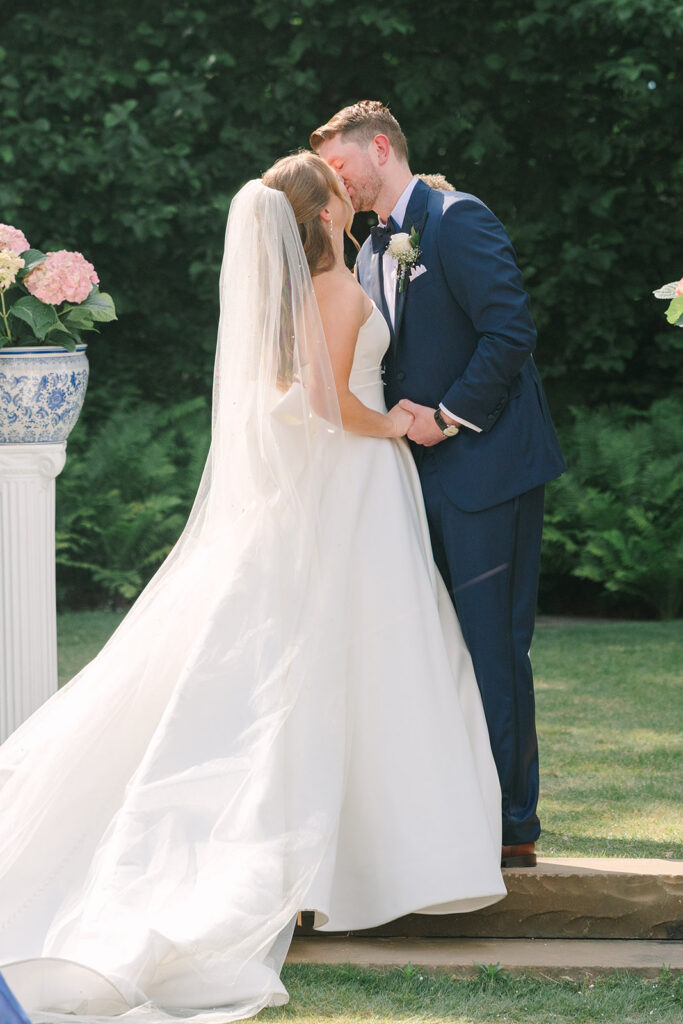
Bold Editorial Design for Industrial Columbia Venues
Industrial Columbia venues offer a strong foundation for bold, editorial design. Exposed brick, steel, concrete, and open layouts create contrast from the start.
These spaces often support saturated color, dramatic lighting, and sculptural décor. The key is using a few confident choices instead of filling every surface.
A strong editorial concept should feel intentional from every angle. The room, fashion, florals, and lighting should all support one clear point of view.
Use contrast instead of covering the room
Raw brick and dark metal can make bold color feel more powerful. Emerald, cobalt, plum, red, and citrus tones often stand out in industrial spaces.
Couples should let the architecture remain visible. Covering every wall can weaken the venue’s character.
Clean tablescapes, sculptural florals, and controlled color usually create stronger results. One dramatic installation can have more impact than many smaller decorative moments.
Contrast also helps guide the eye. Soft fabrics can balance hard surfaces, while polished glass or metal can sharpen the overall look.
Let lighting define the atmosphere
Lighting can completely change an industrial venue after sunset. Without a clear plan, large rooms may feel flat or unfinished.
Pendant lights, uplighting, candles, and pin spotting can create depth. Directional light can also highlight florals, tables, or architectural features.
Layered lighting often works best. Ambient light sets the mood, while focused light draws attention to important details.
The goal is not simply to make the room brighter. The lighting should support the color palette and the emotional tone.
Bring the editorial look into fashion and portraits
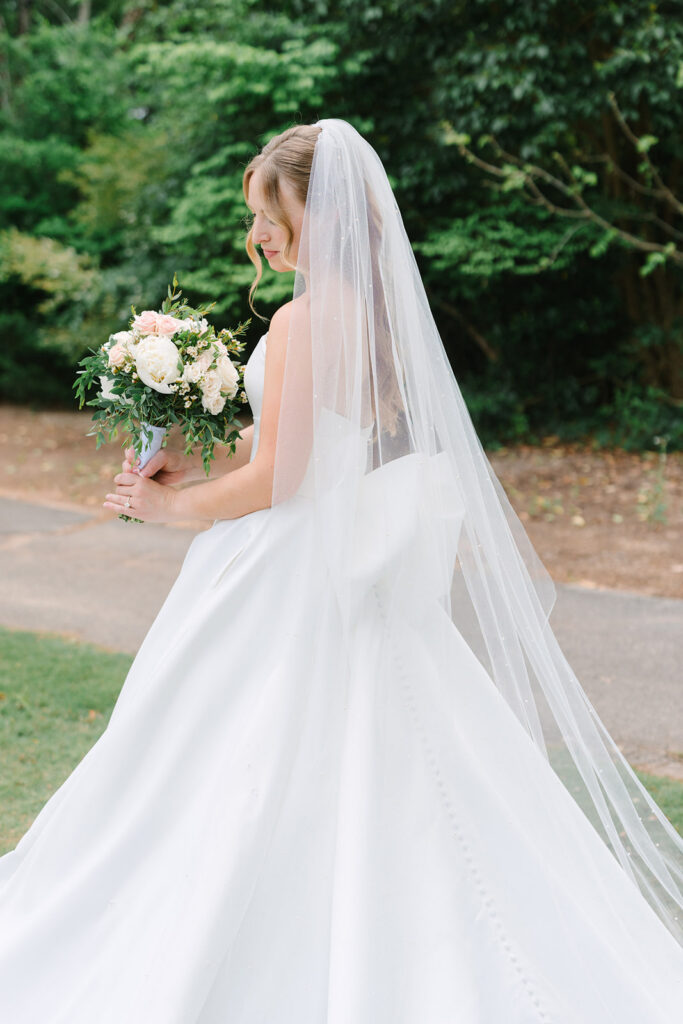
Industrial spaces pair well with fashion-forward styling. Structured gowns, tailored suits, bold accessories, and clean silhouettes often photograph beautifully against brick and steel.
The venue’s lines can also shape portrait composition. Open space supports movement, negative space, and stronger framing.
Couples do not need to adopt a formal editorial style completely. A few intentional choices can create the effect.
When fashion, décor, and architecture work together, the final gallery feels more cohesive and visually distinct.
How 2026 Trends Work in Smaller and Outdoor Venues
Smaller and outdoor venues can still support immersive 2026 wedding design. The key is choosing fewer details with greater visual impact. A small Columbia SC wedding venue often benefits from restraint. Too many decorative elements can make the space feel crowded. One strong floral installation, a focused color palette, and layered materials can create a complete experience.
Smaller weddings can support richer detail
Small wedding venues in Columbia SC give couples more freedom to invest in custom design. Fewer tables can make detailed linens, stationery, and place settings more realistic. Couples may also choose higher-quality rentals or more tailored floral work. A smaller guest count can make every element feel more intentional. Bouclé seating, velvet accents, sculptural centerpieces, and handmade paper can create depth without overwhelming the room. The design should still respect the venue’s scale. One well-placed installation usually works better than several competing focal points.
Outdoor spaces need a clear visual anchor
Outdoor wedding venues in Columbia SC often need one strong feature to define the setting. Open landscapes can feel beautiful, but they may lack structure. A ceremony installation, framed aisle, lounge area, or statement lighting can create that visual anchor. Garden wedding venues in Columbia SC may already offer oak trees, ironwork, or mature landscaping. In those spaces, design should frame the setting rather than cover it. A quiet luxury palette can work beautifully outdoors. Soft neutrals, layered greens, and warm metals can support the natural surroundings.
Design for weather, light, and movement
Outdoor design must also respond to practical conditions. Wind can affect paper, candles, fabric, and lightweight décor. Heat can change floral performance and guest comfort. Rain may require a backup plan that still supports the chosen aesthetic. Couples should also consider how guests move through the space. Lighting, flooring, shade, and clear transitions can make the event feel more polished. Strong design should support the experience as well as the photographs.
What Your Venue Design Means for the Wedding Photos
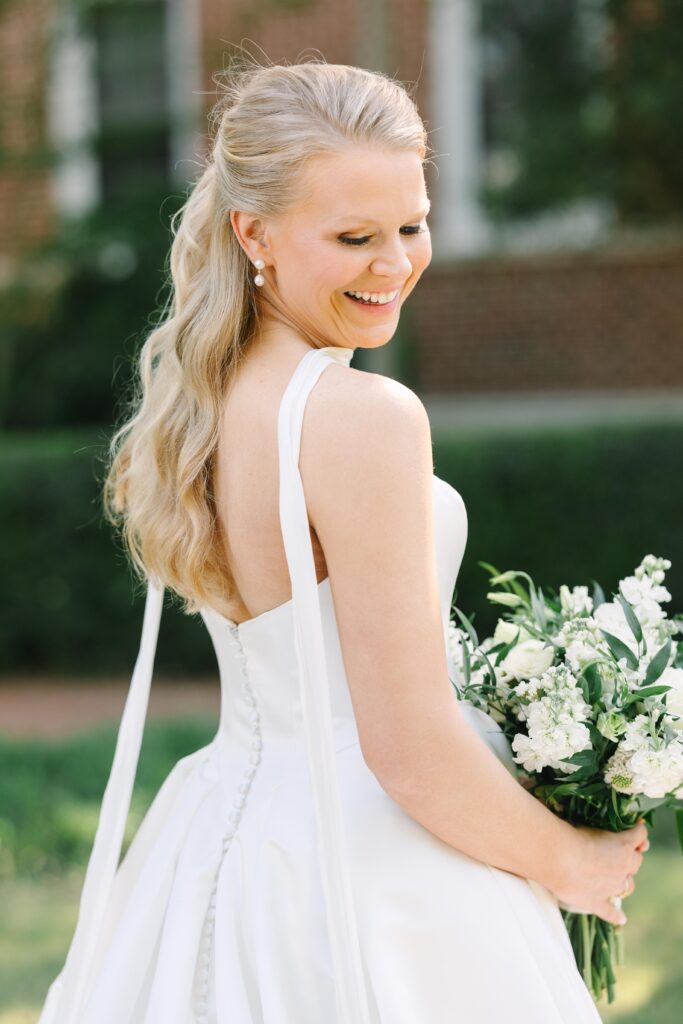
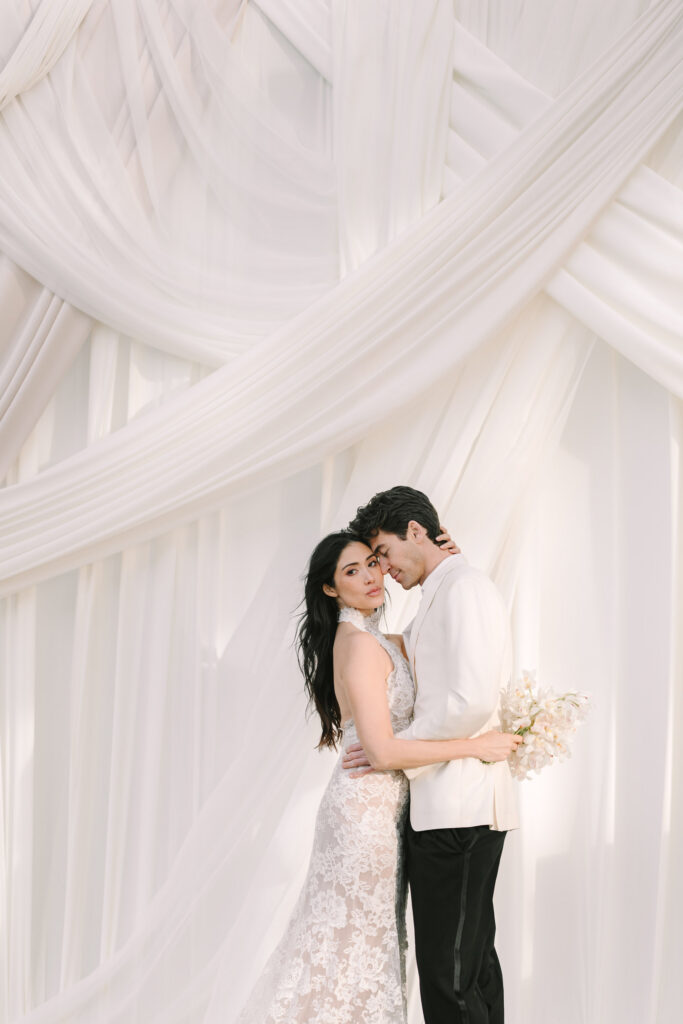
Every design choice affects how the wedding appears in photographs. Color, texture, lighting, and architecture all shape the final gallery. A photographer notices how each element interacts with the venue and the people within it. The strongest designs feel cohesive without competing for attention.
Color affects the entire gallery
A wedding color palette influences more than tables and flowers. It affects portraits, detail photographs, room images, and skin tones. Saturated colors can create strong contrast in an industrial venue. Softer tones may feel more natural in a historic home or garden. Couples should also consider the venue’s existing colors. Brick, dark wood, stone, and painted walls can shift how a palette appears. A controlled color story often creates a more consistent gallery.
Texture creates stronger detail photographs
Textured wedding décor adds depth to close-up images. Velvet, handmade paper, ribbed glass, ceramics, and brushed metal all reflect light differently. These materials can make stationery, place settings, and floral details feel more dimensional. Repeating a few textures across the event also improves visual consistency. The goal is not to include every material. A smaller selection usually photographs more clearly and feels more intentional.
Lighting must support the design
Lighting can strengthen or weaken the entire visual plan. Candlelight can add warmth, while window light can reveal color and texture. Uplighting may create atmosphere, but poorly chosen tones can change skin color and fabric appearance. Industrial spaces often need layered lighting after sunset. Historic venues may require a balance between natural light and darker interiors. A Columbia SC wedding photographer can help identify these concerns early. Thoughtful wedding planning allows the design to remain visible throughout the day and evening.
FAQ About 2026 Wedding Trends and Columbia Venues
What are the biggest wedding design trends for 2026?
The strongest 2026 wedding trends focus on immersion, texture, shape, and controlled color. Sculptural florals are replacing predictable arrangements. Monochromatic palettes now include layered tones instead of one flat shade. Velvet, bouclé, handmade paper, and brushed metal add tactile depth. Quiet luxury and editorial styling also remain important.
Are rustic weddings out of style in 2026?
Rustic weddings are not disappearing, but the look is becoming more refined. Couples are moving away from burlap, mason jars, and overly themed décor. Natural materials still work well when they feel tailored. Wood, linen, stone, and greenery can support a modern design without looking dated.
Which trends work best in an industrial Columbia venue?
Industrial spaces often support bold color, oversized florals, statement lighting, and clean tablescapes. Exposed brick and steel create strong contrast. Editorial fashion also works well in these venues. The best designs keep the architecture visible instead of covering every wall.
Which trends work best in a historic Columbia venue?
Historic spaces often suit quiet luxury, tonal palettes, vintage details, and restrained florals. Tailored linens and soft candlelight can strengthen the setting. Oak trees, gardens, and wrought iron may already provide enough visual interest. Design should support those features rather than compete with them.
Can a small wedding still feel immersive?
Yes. A smaller guest count can make detailed design more realistic. Couples may invest in custom stationery, layered linens, sculptural florals, or better lighting. Fewer tables also allow each element to feel more intentional. One strong focal point can transform the entire space.
Should couples choose a venue before choosing the wedding aesthetic?
Couples should define a broad visual direction first. Then they can choose a venue that naturally supports it. A detailed design plan can come later. This order reduces unnecessary rentals and prevents the style from fighting the room.
Choose a Columbia Wedding Venue That Supports Your Vision
Wedding trends can offer inspiration, but they should not control the entire design. The strongest choices will feel connected to the venue, the couple, and the experience they want to create.
A Columbia SC wedding venue should support the color, texture, light, and atmosphere you prefer. Industrial spaces may suit bold palettes, sculptural florals, and editorial styling. Historic homes may better support quiet luxury, layered neutrals, and refined vintage details.
The goal is not to use every 2026 wedding trend. Instead, choose the ideas that work naturally with the space. A venue with exposed brick may need contrast and softness. A garden property may already provide enough texture through oak trees, ironwork, and mature landscaping.
Before making final design decisions, look closely at the architecture and existing finishes. Notice how the room feels without décor. Consider what the venue already gives you and where it needs support.
A clear wedding venue aesthetic can make the planning process easier. It can also prevent unnecessary rentals, conflicting details, and design choices that feel disconnected.
The right venue should help the wedding feel cohesive before the first floral arrangement arrives. When the architecture and design work together, the result feels more personal, polished, and memorable. If my work and approach feel like the right fit for you, I would be honored to help tell your story. Reach out to inquire about your date, and I can walk you through the next steps.
Weddings
ENGAGEMENTS
Bridal Portraits


Full-service engagement, elopement, and wedding packages.
Engagement sessions, couples sessions, and anniversary sessions alike!
Perfect for portraits, branding, and creative milestones!
The Garman Studio
Portrait Sessions
Brand Photography
signature Offerings
Senior Portraits
Additional Services

Behind The Lens
Hi, I'm Stee Garman, a Columbia South Carolina photographer and East Coast traveler. Photography has been a love of mine for as long as I can remember. In high school, I went through hundreds of disposable cameras. When I studied abroad in Italy, I bought my first DSLR. Once I got home, I started taking photos of families I knew - just for fun.
Those casual photos quickly turned into part-time work - as families referred me and my business began its growth. A few months later, an old college friend asked me to photograph her wedding. I was hesitant, but I agreed. From that point forward, I knew that’s where I wanted to be: in the celebration right alongside my couples. I've found my true calling in being there for couples on one of the biggest days of their lives. It's an honor I never take for granted, and one that fills me with joy - every single time.


